Free shipping on every order


Our Sago Palm Fertilizer is a liquid plant food made specifically for sago palms and cycads, in the landscape or in large containers. It provides balanced nutrition to support healthy foliage, steady growth, and healthier soil.
This sago palm food supports stiff, deep green fronds and healthy new flushes.
Free shipping1–3 day delivery1m+ happy customers
1m+ happy customersMade in the USAMade by growers
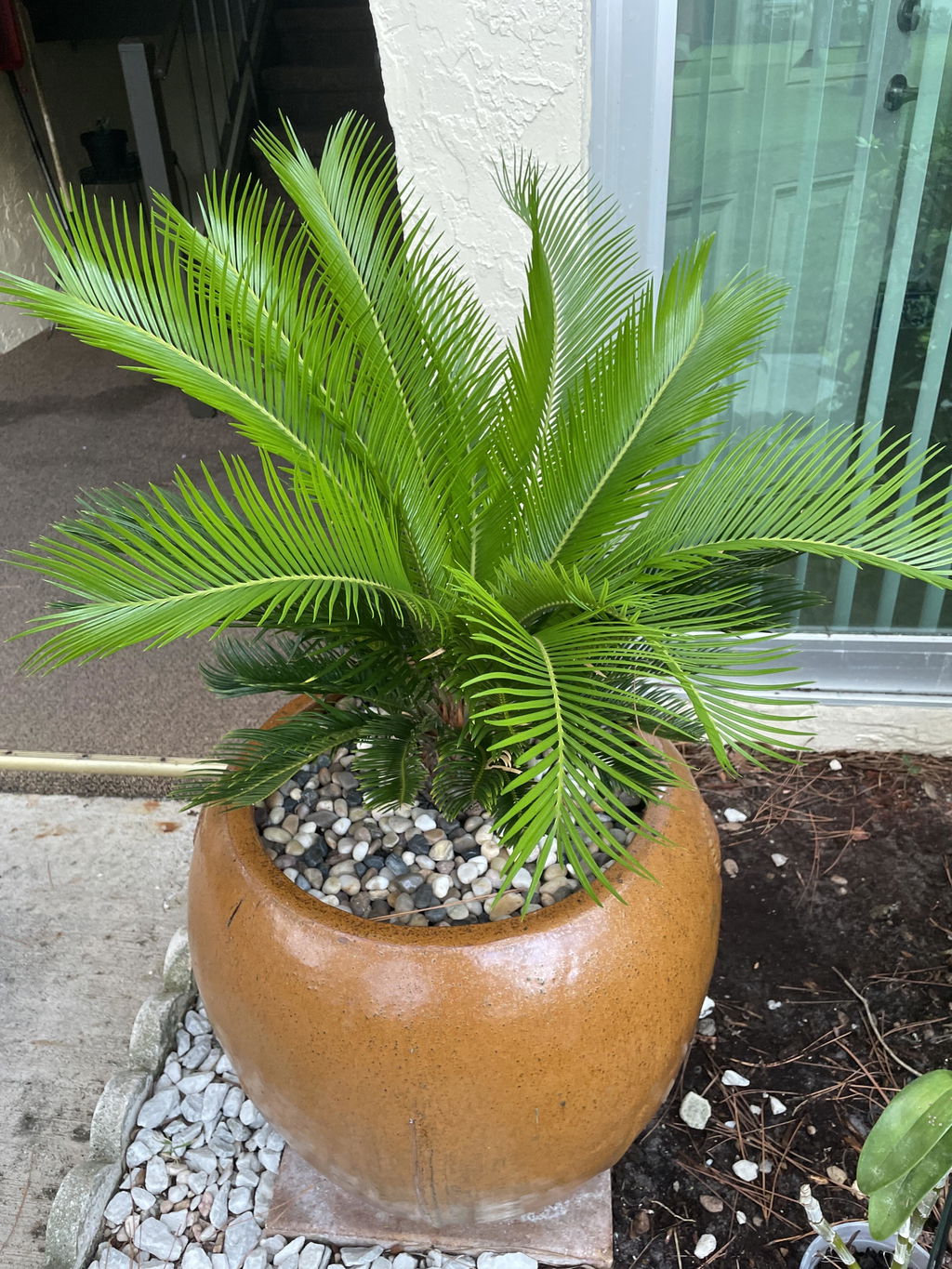
“Just planted two smaller Sagos in large decorative clay pots. Started using your fertilizer as directed about 4 months now. They Both have grown new rings of frons”
Verified buyer ·
Plant appearance can also be affected by light, watering, roots, temperature, and other growing conditions, so feeding is one part of overall plant care.

Feeds foliage for deeper color and a brighter, more lively look.

Encourages fresh leaf and stem growth for a fuller, thriving plant.

Supports healthy, resilient roots that absorb nutrients more effectively.
Watering can
2 Tbsp (30mL) per gallon of water
Spring & Summer: every 2 weeks · Fall & Winter: every 4 weeks
Hose-end sprayer
Set dial to 1 oz (30mL) setting
Spring & Summer: every 2 weeks
Leaf misting (optional)
1 tsp per quart (32 oz) of water, spray on leaves
every 1-2 weeks
Bright light: full sun to part shade outdoors, and the brightest window you have indoors. Move plants from shade into sun gradually so the fronds do not yellow.
Water deeply, then let the top few inches of soil dry before watering again. Sagos store water in the trunk and suffer quickly if kept constantly wet.
Sandy, fast-draining soil, pH about 5.5 to 6.5. In pots use a cactus or palm mix, and set your plant so the top of the trunk sits above the soil.
Feed Sago Palm Fertilizer every two to four weeks through spring and summer while new fronds are pushing, then stop in fall as growth slows for the season.
Sagos are hardy to roughly 15 to 20F, USDA zones 9 to 11. Fronds brown in a hard freeze, so wrap plants or grow them in pots where winters are colder.
Remove only fully brown or damaged fronds, cutting close to the trunk. Leave the healthy lower ring in place, since sagos push one flush a year and rely on those leaves.
Sago Palm Fertilizer is paced for a slow-growing cycad. In spring and summer, feed every 2 weeks with 2 tablespoons per gallon in a watering can, or the 1-ounce setting on a hose-end sprayer for a landscape specimen. In fall and winter, cut back to once every 4 weeks. Sago palms push new fronds in flushes rather than continuously, so the formula’s modest nitrogen and this steady, light schedule suit them better than heavy doses; there’s no benefit to feeding more between flushes.
Where the yellow appears tells you the cause. Yellowing along the oldest, lowest fronds is often normal aging, or a magnesium shortfall, which the magnesium in Sago Palm Fertilizer addresses. Yellow, stunted, frizzled new growth is frizzle top, a manganese deficiency and the single most common sago problem, and the formula supplies manganese for that. Whole-plant yellowing with soft tissue at the base usually means overwatering or rot rather than a feeding issue, so check drainage before anything else.
Frizzle top, new fronds coming in yellow, stunted and frizzled, is a manganese deficiency rather than a general nutrition problem, and it’s the most common serious issue sagos have. Sago Palm Fertilizer supplies manganese along with the rest of its micronutrients, so once the shortfall is corrected, the next flush of fronds can emerge normally. Fronds already affected won’t recover; you’re feeding for the next flush. Frizzle top shows up most in alkaline or sandy soil where manganese is locked up, so correcting soil pH helps the manganese reach the roots.
No. Despite the name, a sago palm is a cycad (Cycas revoluta), an ancient plant group separate from true palms. That matters for feeding because sagos grow much more slowly than palms and are more sensitive to overwatering and overfeeding. Sago Palm Fertilizer is formulated for the cycad’s slower, flush-based growth: modest nitrogen, potassium leading for frond strength and hardiness, and an every-2-weeks spring and summer schedule rather than the heavier program a fast-growing palm would take.
Yes. Sago Palm Fertilizer is made for potted indoor and patio sagos as well as landscape specimens, and its nitrate nitrogen is absorbed directly by the roots, which suits a container where roots sit close to the fertilizer. Use the same 2 tablespoons per gallon every 2 weeks in spring and summer, every 4 weeks in fall and winter. Potted sagos are especially easy to overwater: let the soil dry out between waterings, since sago roots rot readily in soggy mix, and make sure the pot drains freely.
On the timescale of new fronds, not days. Sago palms grow slowly and push growth in flushes, so the effect of Sago Palm Fertilizer shows in the next flush rather than in the fronds already on your plant. Correcting magnesium or manganese problems takes weeks to a couple of months, and existing damaged fronds won’t recover. Steady feeding through a full season, every 2 weeks in spring and summer, produces the clearest improvement in frond color and quality.
Let's Start Growing!
Choose your sizeTell us what you're growing and we'll match the right formula.
Start typing your plant above.