Free shipping on every order

![TPS Plant Foods Potassium Sulfate Fertilizer 0-0-10, 8 oz bottle [wrap]](http://www.tpsplantfoods.com/cdn/shop/files/TPS_Potassium_Sulfate_Plant_Wrap_e0378192-c4b2-4486-98c9-c53d64f59c98.png?v=1784236897&width=1200)
![TPS Plant Foods Potassium Sulfate Fertilizer 0-0-10, 32 oz bottle [wrap]](http://www.tpsplantfoods.com/cdn/shop/files/TPS_Potassium_Sulfate_Plant_32oz_Wrap_f45d4dc0-26cd-4af4-a19e-bcaa1af05c31.png?v=1784236898&width=1200)
![How to mix and apply TPS Potassium Sulfate Fertilizer — 2 Tbs per gallon [how-to]](http://www.tpsplantfoods.com/cdn/shop/files/B0DQTC6BBF.PT03.jpg?v=1784236897&width=1200)
![TPS Plant Foods Potassium Sulfate Fertilizer 0-0-10, 8 oz bottle [dosage]](http://www.tpsplantfoods.com/cdn/shop/files/B0DQTJ14N5.PT02_02c24709-aa3e-451e-8251-581f738a16a6.jpg?v=1784236897&width=1200)
![TPS Plant Foods Potassium Sulfate Fertilizer 0-0-10, 32 oz bottle [dosage]](http://www.tpsplantfoods.com/cdn/shop/files/B0DQTC6BBF.PT02.jpg?v=1784236897&width=1200)
![TPS Potassium Sulfate Fertilizer bottle shown with healthy plants [guarantee]](http://www.tpsplantfoods.com/cdn/shop/files/B0DQTJ14N5.PT01.jpg?v=1784236897&width=1200)
![TPS Potassium Sulfate Fertilizer 0-0-10 formula, ingredients and plants care details [tri-wrap]](http://www.tpsplantfoods.com/cdn/shop/files/B0DQTC6BBF.PT04.jpg?v=1784236897&width=1200)
Our Potassium Sulfate Fertilizer is a liquid potassium and sulfur supplement for plants that need more potassium and sulfur than their regular fertilizer supplies. It supplies potassium and sulfur in a form roots take up readily, supporting flowering, fruiting and overall vigor.
Sulfate of potash is the potassium source many growers prefer for salt-sensitive and edible crops, and here it pairs 10% soluble potash with 2% sulfur for fruit quality and overall vigor.
Free shipping30-day returnsMade in Seattle
“5 stars for the Potassium Sulfate Fertilizer. I bought it last month online, mostly for my Indian Parijat plant, whose leaves were turning yellow and falling off. Within a week of spraying it, I noticed fresh green leaves growing at the tips. It worked great for my plants — I'll definitely buy it again.”
Tejaswi K. · Verified buyer ·
Light, watering, roots, temperature and pH shape how a plant looks, and shortfalls of different nutrients can resemble one another, so look at the whole plant, or test the soil, before adding potassium and sulfur.

Feeds foliage for deeper color and a brighter, more lively look.

Encourages fresh leaf and stem growth for a fuller, thriving plant.

Supports healthy, resilient roots that absorb nutrients more effectively.
Watering can
2 Tbs (30mL) per gallon of water
Spring & Summer: every 1-2 weeks · Fall & Winter: every 4 weeks
Hose-end sprayer
Set dial to 1 oz (30mL) setting
Spring & Summer: every 1-2 weeks
Leaf misting (optional)
1 tsp per quart (32 oz) of water, spray on leaves
every 1-2 weeks
Potassium Sulfate Fertilizer is a supplement rather than a complete feed, so it runs alongside your regular fertilizer instead of replacing it. In spring and summer, apply every 1–2 weeks at 2 tablespoons per gallon of water in a watering can, or use the 1-ounce setting on a hose-end sprayer. In fall and winter, cut back to once every 4 weeks. Since it supplies potassium and sulfur with no nitrogen or phosphorus, it earns its place mainly during flowering and fruiting or when correcting a potassium shortfall.
Both supply potassium, but they carry it differently. Potassium Sulfate Fertilizer is sulfate of potash, which delivers potassium together with 2% sulfur and much less chloride. Muriate of potash is potassium chloride, so its potassium comes with chloride. That matters for salt-sensitive crops, including many vegetables, berries and potatoes, which can be set back by chloride building up in the soil. Sulfate of potash is the form favored for those crops and for edible gardens; muriate is common in general agriculture where chloride sensitivity isn’t a concern.
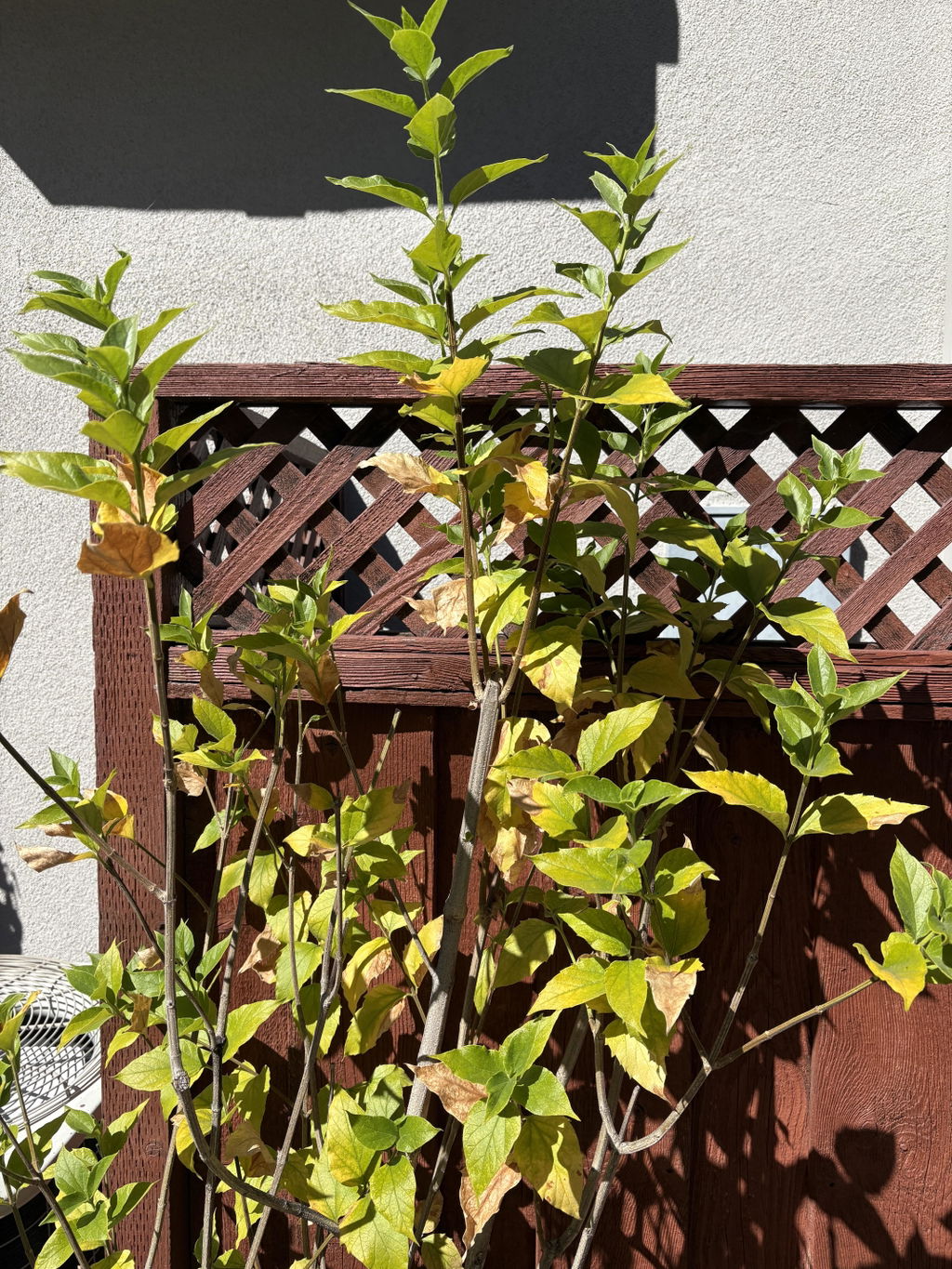
The classic sign is scorching or yellowing along the edges and tips of older, lower leaves while the leaf centers stay green. Potassium moves to new growth first, so a shortage shows on the old leaves. Weak stems, poor fruit quality, and low tolerance of heat and drought are other signs. If instead you see uniform yellowing across whole leaves, that points to nitrogen, and yellowing between the veins points to magnesium or iron. Match the pattern first; Potassium Sulfate Fertilizer addresses only the potassium and sulfur side.
Yes, and edible crops are where it fits best. Potassium Sulfate Fertilizer delivers the potassium that supports fruit size, sweetness and quality without the chloride that muriate-based potassium adds, which is why sulfate of potash is favored for tomatoes, peppers, potatoes, berries and fruit. The 2% sulfur also supports crops like onions and garlic that use sulfur heavily. Feed during the fruiting stage alongside a complete fertilizer that covers nitrogen, phosphorus and micronutrients.
Potassium deficiency marks on existing leaves won’t reverse, but new growth comes in stronger, and fruit that develops after feeding shows better quality over the following weeks. Stem strength and stress tolerance improve gradually as your plant takes up the potassium in Potassium Sulfate Fertilizer. The clearest results come across a full fruiting cycle of consistent feeding every 1–2 weeks rather than from a single application, so start early in the flowering stage and keep to the schedule.
Let's Start Growing!
Choose your sizeTell us what you're growing and we'll match the right formula.
Start typing your plant above.