Free shipping on every order

![TPS Plant Foods Hydroponic Nutrients 4-3-6, 8 oz bottle [wrap]](http://www.tpsplantfoods.com/cdn/shop/files/TPS_Hydroponic_Nutrients_Plant_Wrap_5c8bf423-4962-44d5-bf27-2348a45d57d0.png?v=1784236953&width=1200)
![TPS Plant Foods Hydroponic Nutrients 4-3-6, 32 oz bottle [wrap]](http://www.tpsplantfoods.com/cdn/shop/files/TPS_Hydroponic_Nutrients_Plant_32oz_Wrap_f827f84e-b19c-4cf1-bee9-e0b721562df2.png?v=1784236953&width=1200)
![TPS Plant Foods Hydroponic Nutrients 4-3-6, 1 gallon bottle, 128 oz bottle [wrap]](http://www.tpsplantfoods.com/cdn/shop/files/TPS_Hydroponic_Nutrients_Plant_G_Wrap_3c4becc9-ba40-4c7b-8c61-0f79d5744e4e.png?v=1784236953&width=1200)
![Plants before and after TPS Hydroponic Nutrients: fuller, greener growth [other]](http://www.tpsplantfoods.com/cdn/shop/files/Slide_4_Hydroponic_Nutrients.png?v=1788455300&width=1200)
In a hydroponic system the nutrient solution is the plant's main source of nutrition, so what goes into the reservoir matters more than in a pot. Our liquid Hydroponic Nutrients are made for countertop pod gardens and soilless setups growing herbs, greens and fruiting plants, with separate leafy and fruiting schedules on the bottle.
Leafy greens draw mainly on nitrogen and are cut young; tomatoes, peppers and strawberries use more potash as they set fruit. The same nutrient can serve both when the dosing follows the crop, which is why the bottle gives a leafy schedule and a fruiting one.
Our formula pairs nitrogen with phosphate and a larger share of potash, plus calcium, magnesium and micronutrients, in a balance made for edible plants grown in water. The schedule, not the bottle, changes with the crop, and it is made for the common crops of a home system; crops with special needs may call for more.
Add it to the reservoir or pods at the rate on your bottle: every two weeks for leafy plants, weekly for fruiting plants, and a start-up dose per three pods in a seed-pod system, as the bottle directs. Keep the solution at the pH the bottle recommends and do not overfeed.
Why growers choose it: A hydroponic nutrient with a leafy schedule and a fruiting schedule printed on the same bottle.
Plant-Focused Nutrition • Easy to Use
Free shipping30-day returnsMade in Seattle
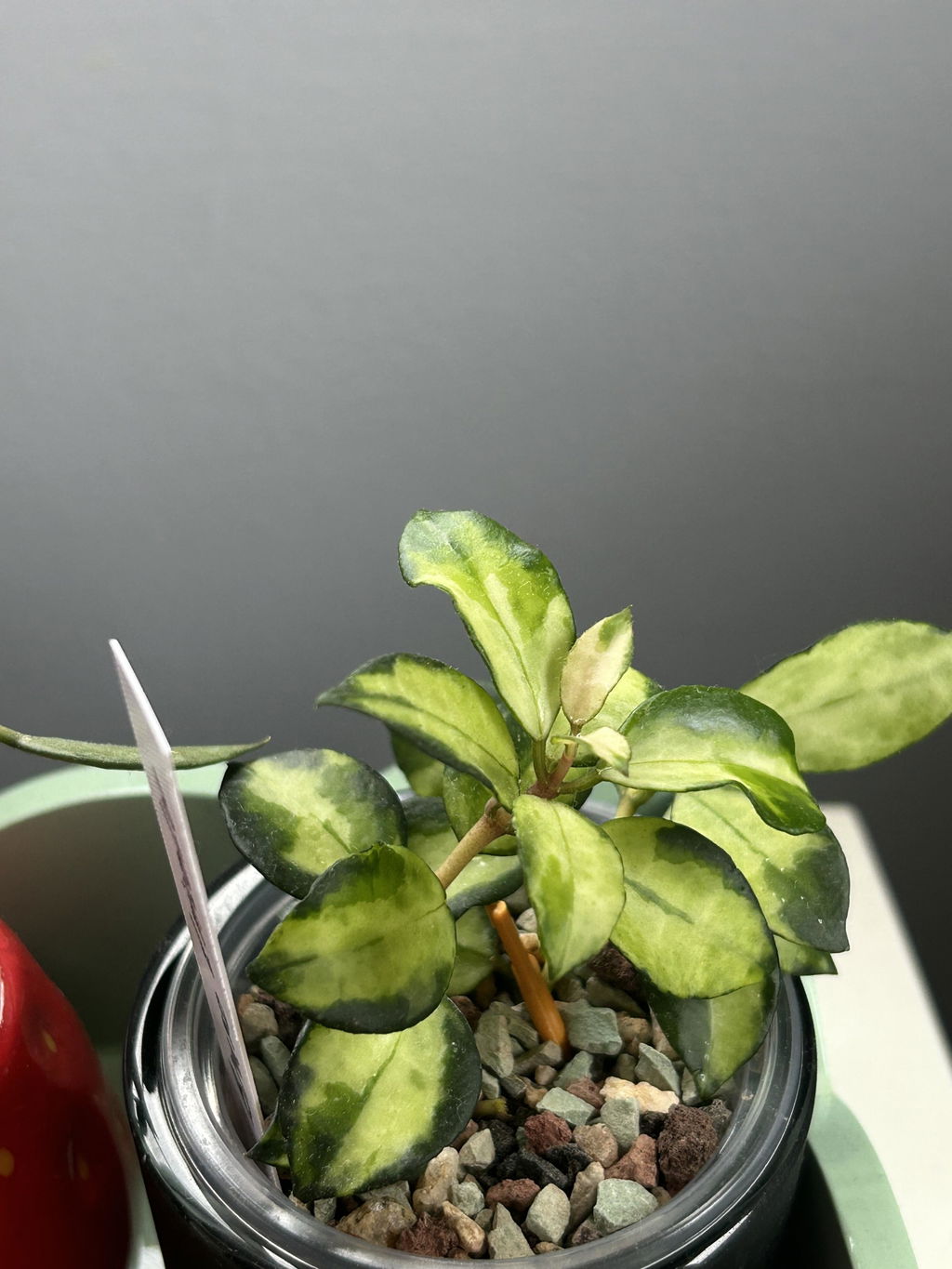
“A nice addition to my plant care routine! 🌿 I recently started using TPS Hydroponic Nutrients for my Hoya collection growing in mineral substrate. I like that this fertilizer is specifically designed for soilless growing and provides essential nutrients for plant development. The instructions are clear, and a small amount goes a long way. It’s still early to see the full results, but I’m excited to continue using it!”
Kateryna C. · Verified buyer ·
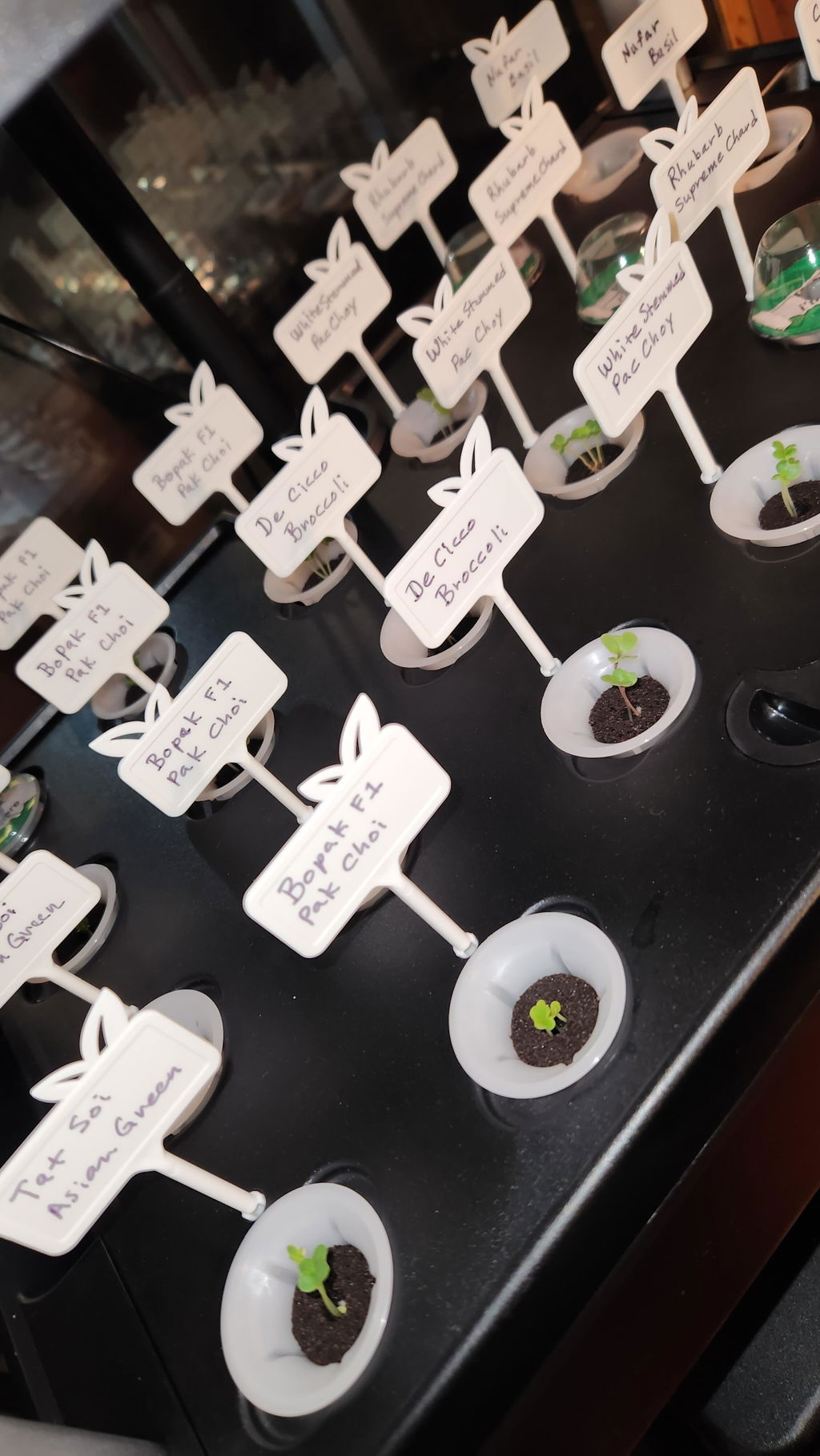
“Loving this plant food so far! I have a Dryades hydroponic system with 66 pods I just set up on a Sunday. By that Wednesday, I started seeing sprouting in a few of them. The very next day, almost half the seeds I planted now have healthy, adorable baby seedlings already, including pac choy, broccoli, lettuce, basil, chard, kale, and cucumbers! Very excited to see what the following weeks bring!”
Nichole T. · Verified buyer ·
Check pH, EC, light, oxygenation, and root condition before adding extra fertilizer. Don't add concentrate solely because the water level dropped; follow the label and measure the solution.

Feeds foliage for deeper color and a brighter, more lively look.

Encourages fresh leaf and stem growth for a fuller, thriving plant.

Supports healthy, resilient roots that absorb nutrients more effectively.
Hydroponic systems
5 mL (1 tsp) per quart of feedwater
Leafy plants: every 2 weeks; Fruiting plants: weekly
Seed pod systems
5 mL (1 tsp) per 3 standard growing pods, at the start and again as needed
As needed
Hydroponic Nutrients is a complete 4-3-6 feed, so it goes in on a regular cadence rather than as an occasional top-up. Add 5 mL, about 1 teaspoon, per quart of feedwater: every 2 weeks for leafy plants, weekly for fruiting plants, which draw more. In seed-pod systems, add 5 mL for every 3 growing pods at the start and again as needed. Warm conditions and fast growth use nutrients faster, so check the reservoir regularly and top up on schedule rather than letting it run low.
Aim for pH 5.0–6.0. That’s the range where the nutrients in Hydroponic Nutrients stay available to roots in water culture; drift above or below it and your plant can’t take up certain elements even though they’re present in the reservoir, which shows up as deficiency symptoms despite regular feeding. Check with a meter or test kit and adjust with pH up or down as needed. In hydroponics, pH management matters as much as the dose itself.
In water culture, yellowing despite feeding is very often a pH problem rather than a shortage. If the reservoir has drifted out of the 5.0–6.0 range, roots can’t absorb the iron, calcium and magnesium that Hydroponic Nutrients supplies, and new growth pales even with nutrients right there in the water. Check and correct pH first. It can also mean the reservoir has run low or the solution is old and needs refreshing. A soilless plant has no reserve to draw on, so problems show fast and need quicker correction.
Yes. Hydroponic Nutrients is designed for both. For Kratky and other standard hydroponic setups, use 5 mL per quart of feedwater. For seed-pod countertop gardens, add 5 mL per 3 pods at the start and again as needed. Kratky is passive, with no pump to circulate the solution, so mix the nutrients in well when you set up. In either system, watch the water level and pH, because small reservoirs change concentration quickly as your plants drink them down.
Quickly, when nutrients and pH are in range. With no soil to buffer the root zone, hydroponic plants respond to conditions right away, and leafy greens fed with Hydroponic Nutrients typically show visible new growth within days to a couple of weeks. The same speed runs the other way, so consistent feeding and steady pH are what keep growth even. Fruiting crops such as tomatoes and peppers follow their own cycle, flowering and setting fruit over the following weeks with the potassium-forward formula supporting that stage.
Let's Start Growing!
Choose your sizeTell us what you're growing and we'll match the right formula.
Start typing your plant above.