Free shipping on every order


Feed your hoya during its growing months with our liquid Hoya Fertilizer, made for hoyas in hanging baskets, shelf pots and on climbing supports. It supplies supplemental nutrition for the thick, waxy leaves, trailing vines and the clusters of star-shaped flowers a mature hoya carries. Mix it with water and feed as part of your regular watering.
A hoya grows slowly, extending vines and thick leaves through the bright months and resting in winter, and flowers from short spurs that bloom again year after year. It grows in a chunky, free-draining mix that holds little nutrition, so a regular feed in the growing season supplies what each new vine draws.
Our formula leads with nitrogen for foliage, keeps phosphate and potash in proportion, and adds calcium, magnesium and micronutrients in a kelp base, used at the rate printed on the bottle.
Mix at the rate on your bottle and water the mix thoroughly, letting it dry out between waterings as the bottle recommends. Feed while new vines are forming in bright light and less often in fall and winter as the bottle directs.
Why growers choose it: Dilute liquid feeding for the slow vine-and-flower growth of hoyas.
Plant-Focused Nutrition • Easy to Use
Free shipping30-day returnsMade in Seattle
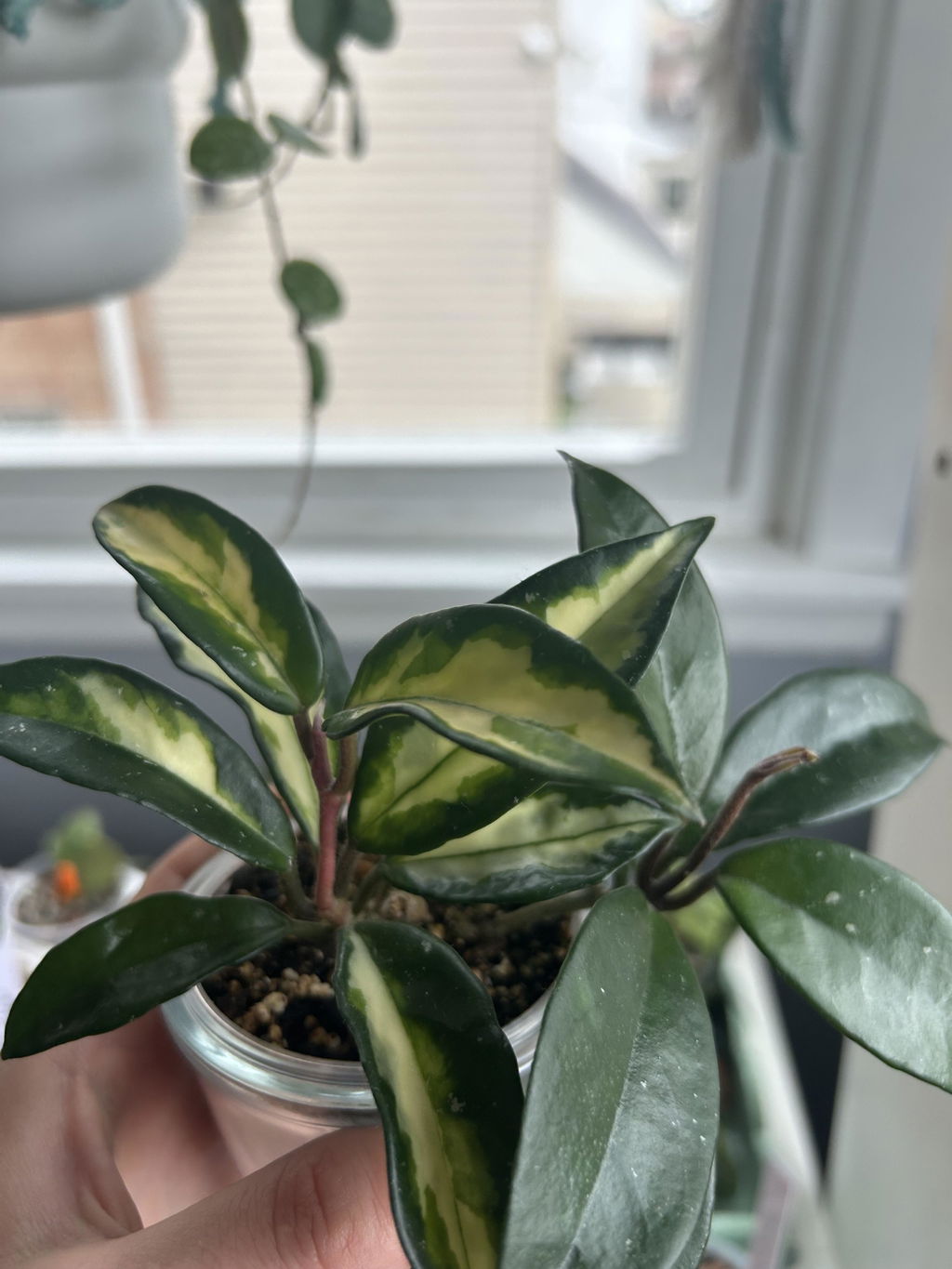
“I’ve been using TPS Hoya Fertilizer for a few weeks now on my Hoya collection. It’s easy to measure and mix with water, and so far my plants are doing well. It’s still a little early to judge the long-term results, but I’m happy with the product and look forward to seeing how my Hoyas respond over time!”
Kateryna C. · Verified buyer ·
If your hoya isn't blooming, check plant maturity and light before raising the fertilizer rate. Don't cut off old flower spurs unnecessarily.

Supports rich, glossy leaves and healthy foliage for a fuller, more vibrant hoya.

Supports steady vine and leaf development for a fuller-looking hoya plant.

Supports healthy root development for effective water and nutrient uptake.
Watering can
1 tsp per quart (32 oz) of water
Spring & summer: every 1–2 weeks · Fall & winter: every 4 weeks
Leaf misting (optional)
½ tsp per pint (16 oz) of water
Every 1–2 weeks
Bright, indirect light for most of the day. A little direct morning sun helps them flower, while harsh afternoon sun bleaches and scorches the waxy leaves.
Let the mix dry out almost completely, then water thoroughly and let it drain. Hoyas store water in their leaves and rot quickly if kept constantly damp.
A chunky, airy mix of orchid bark, perlite and a little potting soil. Hoyas grow as epiphytes and want air around the roots, not dense wet compost.
They enjoy 50 to 60 percent humidity but cope with ordinary room air. Grouping plants or setting pots on a pebble tray helps in dry winter rooms.
Feed Hoya Fertilizer every one to two weeks in spring and summer, and about once a month in fall and winter, mixed into your normal watering.
Leave old flower stalks in place, since hoyas rebloom from the same spurs year after year. A slightly snug pot and steady light encourage more clusters.
Feed every 1–2 weeks in spring and summer and every 4 weeks in fall and winter, at 1 teaspoon per quart of water. Hoya Fertilizer is built for steady, dilute feeding through normal waterings, so let the mix dry out between drinks as you usually would and add it when you water. You can also mist the leaves with 1/2 teaspoon per pint every 1–2 weeks; hoyas take up nutrients through their foliage as well as their roots.
Light, age and patience decide hoya blooms. Most species need to mature and want brighter light than they usually get indoors. Two habits help: leave the bare spurs where flowers appeared before, because hoyas rebloom from the same peduncles, and keep your hoya slightly root-bound rather than moving it up. What Hoya Fertilizer does is build the reserves bud set draws on, with potassium behind the nitrogen, so once light and age line up your plant has what it needs to flower.
Feed it. Hoyas bloom better slightly root-bound, so repotting a stalled plant often sets it back. After a couple of years in the same pot the mix is depleted rather than outgrown; magnesium and iron run short first, and older leaves yellow while new growth comes in small. Hoya Fertilizer replaces what’s gone without disturbing the roots, with calcium, magnesium and iron alongside the 3-1-2 base. Repot only when the mix has broken down or roots are circling out of the drainage holes.
Hoya Fertilizer is a dilute liquid feed, and dilution is what matters here. Fertilizer burn happens when concentrated salts sit against the roots: too much product in too little water. Most of the nitrogen is nitrate, which roots take up directly, and at 1 teaspoon per quart the nutrients arrive in solution at a strength the fine epiphytic roots handle in their airy mix. Dilute and regular suits hoyas far better than strong and rare. For freshly rooted cuttings, start at half strength for the first few feedings.
All hoya species and cultivars use the same formula: carnosa and its cultivars, pubicalyx, kerrii, obovata, linearis and the rope hoyas. Hoya Fertilizer is tuned for a vining plant that builds thick, waxy leaves along every foot of growth, so nitrogen leads with potassium behind it. It won’t harm neighboring tropicals, but a mixed shelf does better on TPS Indoor Plant Food or Tropical Plant Fertilizer, which are balanced for general collections.
Shine and color move first. Expect deeper, waxier leaves over the first few weeks of steady feeding with Hoya Fertilizer, then longer vines with tighter leaf spacing through the growing season. Blooms follow their own calendar: a well-fed, well-lit hoya often sets buds the next flowering season rather than right away. Leaves that had already yellowed won’t fully recover, but the new growth comes in thick and glossy, which is where the difference shows.
Let's Start Growing!
Choose your size
Tell us what you're growing and we'll match the right formula.
Start typing your plant above.